


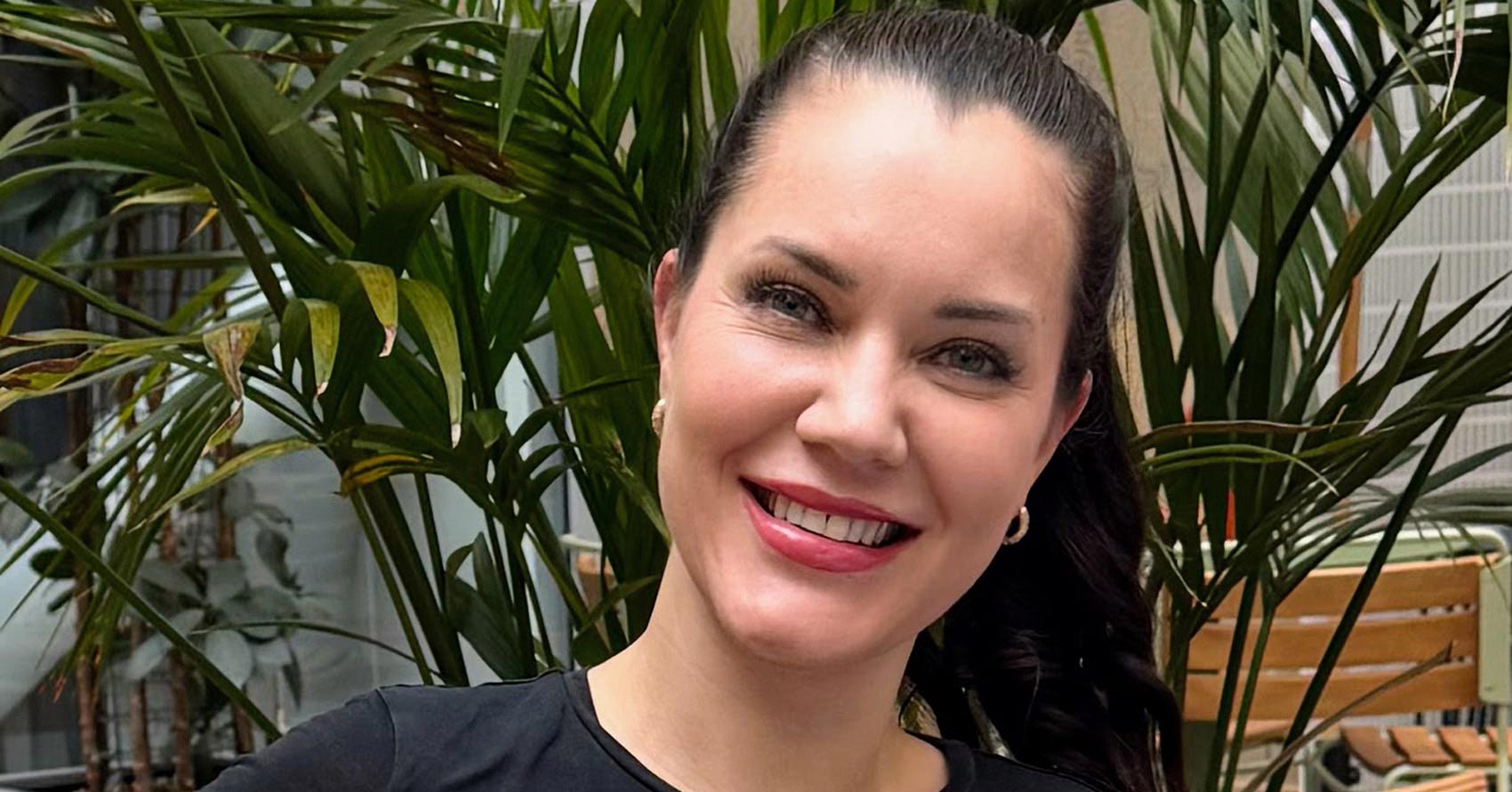
Cyberattacks have become more targeted, more convincing, and far harder to detect than before. Anita Sondresen believes artificial intelligence is changing the rules of cybersecurity.
Cybersecurity is already one of the most in-demand fields in the tech industry, and the need for expertise continues to grow alongside the rapid development of artificial intelligence.
Former Noroff student Anita Sondresen now works in cybersecurity and believes these developments will make cybersecurity skills even more valuable in the years ahead.
She also makes no secret of the fact that cybersecurity can be a highly rewarding career financially.
– You can earn very well, but you need to know your craft, she says.
Sondresen believes many people underestimate how quickly demand for expertise is growing, particularly at the intersection of AI and cybersecurity.
– Going forward, I believe that expertise in both AI and cybersecurity will be one of the most sought-after combinations in the job market.
AI is changing the rules
Sondresen believes many people underestimate how quickly the threat landscape is evolving.
– In the past, phishing attempts could often be identified by poor language or obvious mistakes. Today, AI can generate highly convincing messages in seconds.
She believes artificial intelligence is transforming both how organisations defend themselves and how cybercriminals operate.
– AI makes it easier to carry out targeted attacks at scale. Attacks can be automated, and tasks that previously took days can now be completed in seconds.
At the same time, AI is also strengthening the defensive side of cybersecurity.
– AI is used for faster detection, analysis, and prioritisation of vulnerabilities. It allows security professionals to work more efficiently. But attackers have access to the same tools, which creates a constant race between defence and attack.
She continues:
– While AI is here to stay, we still need people who understand technology, analysis, and how attacks actually work in practice. The demand for expertise will only continue to grow.
– Cybersecurity is full of opportunities, but it’s an industry you invest in. Anita Sondresen
From Noroff student to a career in cybersecurity
Sondresen’s journey into cybersecurity began when she decided to change career direction in her late twenties.
– I wanted a profession where there would be a demand for expertise for many years to come, and where I could continue learning and developing throughout my career.
After extensive research, she chose to study Network and IT Security and Digital Forensics and Incident Response at Noroff.
– Early on, I realised this was something I could genuinely become passionate about. The learning curve was steep, but I have never regretted it for a second. It eventually became my biggest passion.
Highlights the value of practical learning at Noroff
Today, Sondresen has several years of experience in the cybersecurity industry, including roles at Atea and a cybersecurity startup.
She believes the practical approach to teaching at Noroff provided an important foundation early in her career.
– The way the programme is structured is incredibly valuable. The combination of project-based work and hands-on learning gave me a solid foundation that I still rely on today.
The Network and IT Security programme at Noroff gives students practical experience with networking, cybersecurity, cloud technologies, and security operations in modern IT environments.
Students work with realistic scenarios and technologies used throughout the industry today.
The demand for expertise will only continue to grow
– Many of the most effective cyberattacks still rely on manipulating people. That’s why it’s important to understand technology, analysis, and how people make decisions.
For anyone considering a career in cybersecurity, Sondresen has one clear piece of advice:
– You need to have a genuine interest in the field and be willing to keep learning. Cybersecurity is an industry where you are never truly finished learning.
She also believes it is important to have realistic expectations about both the job market and career development.
– The opportunities in cybersecurity are strong, but they are not random. This is an industry where motivation, curiosity, and a willingness to learn make all the difference.
– The most important thing is to start somewhere you can learn and build experience over time.
She stresses that cybersecurity offers enormous opportunities, but that expertise is built gradually.
– Cybersecurity is full of opportunities, but it’s an industry you invest in.
Related programmes

Bachelor
Digital Forensics and Incident Response
The rise in cyber attacks, ransomware and hacking has created a critical need for skilled digital investigators with the ability to respond to cyber security incidents.
Online
Online+ Oslo/Bergen
Read more
Bachelor
Cyber Security
The programme provides comprehensive training in securing digital systems against online attacks, cybercrime and digital warfare. It equips students for careers focused on strengthening digital defences and protecting data and information.
Online
Online+ Oslo/Bergen
Read more
Bachelor
Applied Data Science
The programme equips you for a dynamic career, fostering collaboration with businesses to understand and harness the vast amounts of data at their disposal. It also cultivates skills in the field of intelligent AI systems.
Online
Online+ Oslo/Bergen
Read more
Two-year programme
Network and IT Security
Hands-on IT programme that teaches you how to combat hacking and cybercrime, while using AI tools to address security challenges. The growing demand for IT security offers excellent career opportunities.
Online
Oslo, Bergen
Read more